GENIUS Act & Trump's Crypto Vision: How 2026 Could Unleash a Trillion-Dollar Digital Economy
Okay, folks, buckle up, because things are about to get very interesting in the world of crypto, especially here in the US. We’re not just talking about incremental changes; we’re talking about a potential paradigm shift, a fundamental reshaping of our financial landscape thanks to the GENIUS Act and the vision being laid out by the Trump administration. When I first started hearing about the genius act, I honestly thought it was just another load of nothing, but I was happily surprised by the outcome.
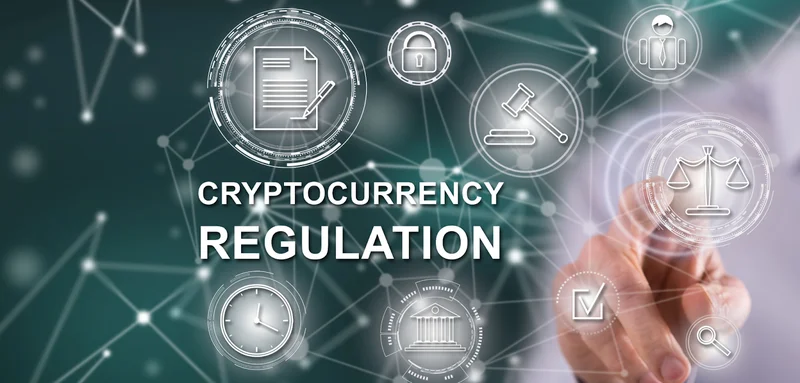
The Dawn of a Regulated Revolution
For years, the crypto space has been a bit like the Wild West – exciting, full of potential, but also riddled with uncertainty and risk. That's been changing, and 2025 was a key year. The passage of the GENIUS Act, focusing on stablecoins, is a HUGE deal. It’s not just some minor tweak; it's the foundation for building a truly robust and trustworthy digital economy. The genius act is the first major piece of crypto legislation ever passed by congress, how crazy is that.
Think about it: stablecoins, designed to maintain a steady value, are becoming the backbone of countless transactions. They're already surpassing Visa and Mastercard in transaction volume! But without clear rules, they're also vulnerable. The GENIUS Act addresses this head-on, setting guidelines for how these digital currencies can operate within the US.
GENIUS Act: Practical Implications
What does this mean in practice? Well, for starters, it means that stablecoin issuers have to play by the rules. They need to be insured depository institutions, hold reserves to back their coins 1:1, and comply with anti-money laundering laws. It's about creating a safe and secure environment for everyone, from individual investors to large institutions.
Regulatory Clarity and Institutional Adoption
I was reading this report from TRM Labs, and it really hit home how much things are changing. They point out that in 2025, we saw regulatory clarity driving institutional adoption like never before, with financial institutions announcing new digital asset initiatives in about 80% of the jurisdictions they reviewed. That's a staggering number! You can read more about this in the Global Crypto Policy Review Outlook 2025/26 Report.
Consider the comments from Tyler Williams, Counselor to the Treasury Secretary for Digital Assets, on TRM Talks:
"Even if you think back three or four years ago where we were debating in Washington policy circles of advancing legislation on stablecoins, that seems to be a long time ago. Now that we have the GENIUS legislation enacted…it seems like there's a lot of momentum in Congress to advance market structure legislation.”
This isn't just about compliance; it's about building trust and fostering innovation.
Regulation: Unlocking Potential
Now, some might say that regulation is the antithesis of crypto's original ethos – the whole point was to be decentralized and free from government control, right? And that's a fair point. But hear me out: regulation, when done right, can actually unlock the true potential of this technology. It provides the legal certainty and predictability that businesses and investors need to operate with confidence.
What Could 2026 Bring?
So, what can we expect in 2026? Well, if the stars align, we could be on the verge of something truly extraordinary. Imagine a world where digital assets are seamlessly integrated into our everyday lives, where transactions are faster, cheaper, and more transparent than ever before.
The Rise of Tokenization
One of the most exciting possibilities is the rise of tokenization – the process of turning real-world assets, like real estate or commodities, into digital tokens that can be easily traded and managed. This could democratize access to investment opportunities and unlock trillions of dollars in new value.
Remember the early days of the internet? People were skeptical, unsure of its potential. But look at where we are now – the internet has transformed every aspect of our lives. I believe that crypto, with the right regulatory framework, has the potential to do the same.
Global Developments in Crypto Regulation
And it's not just about the US. We're seeing similar developments around the world, with the EU, Hong Kong, and other jurisdictions introducing their own stablecoin regulations. This is a global movement, a recognition that digital assets are here to stay and that we need to create a framework for them to thrive. You can find a broad overview of these policies in "Cryptocurrency Regulation: A Guide to U.S. & Global Policies".
Risks and Challenges
But let’s be honest, it is not all sunshine and rainbows. We need to be aware of the risks involved. The wrong kind of regulation could stifle innovation and push companies to operate offshore. We need to find the right balance between protecting consumers and fostering growth.
Potential Fed Chair Appointment: Kevin Hassett
That's why I am so excited about the potential appointment of Kevin Hassett as the next Fed Chair. According to reports, Hassett is far more dovish than Powell, which could be a trigger for faster policy easing. This would weaken the US dollar and lift liquidity across risk assets. Hassett has spent much of his career pushing pro-growth policies, tax cuts, and looser financial conditions.
I did read a comment on Reddit that really encapsulated my feelings.
"If investors question the Fed’s independence, bond markets could react sharply. That instability can spill into crypto, especially during moments of policy uncertainty. Even with these risks, most traders view a Hassett-led Fed as a net positive for digital assets. A rapid easing cycle would support higher valuations and increase institutional participation through ETFs and tokenized products."
Ethical Considerations
However, with all of this in mind, we also need to remember the ethical considerations. I think it's imperative that we ensure that everyone has acces